


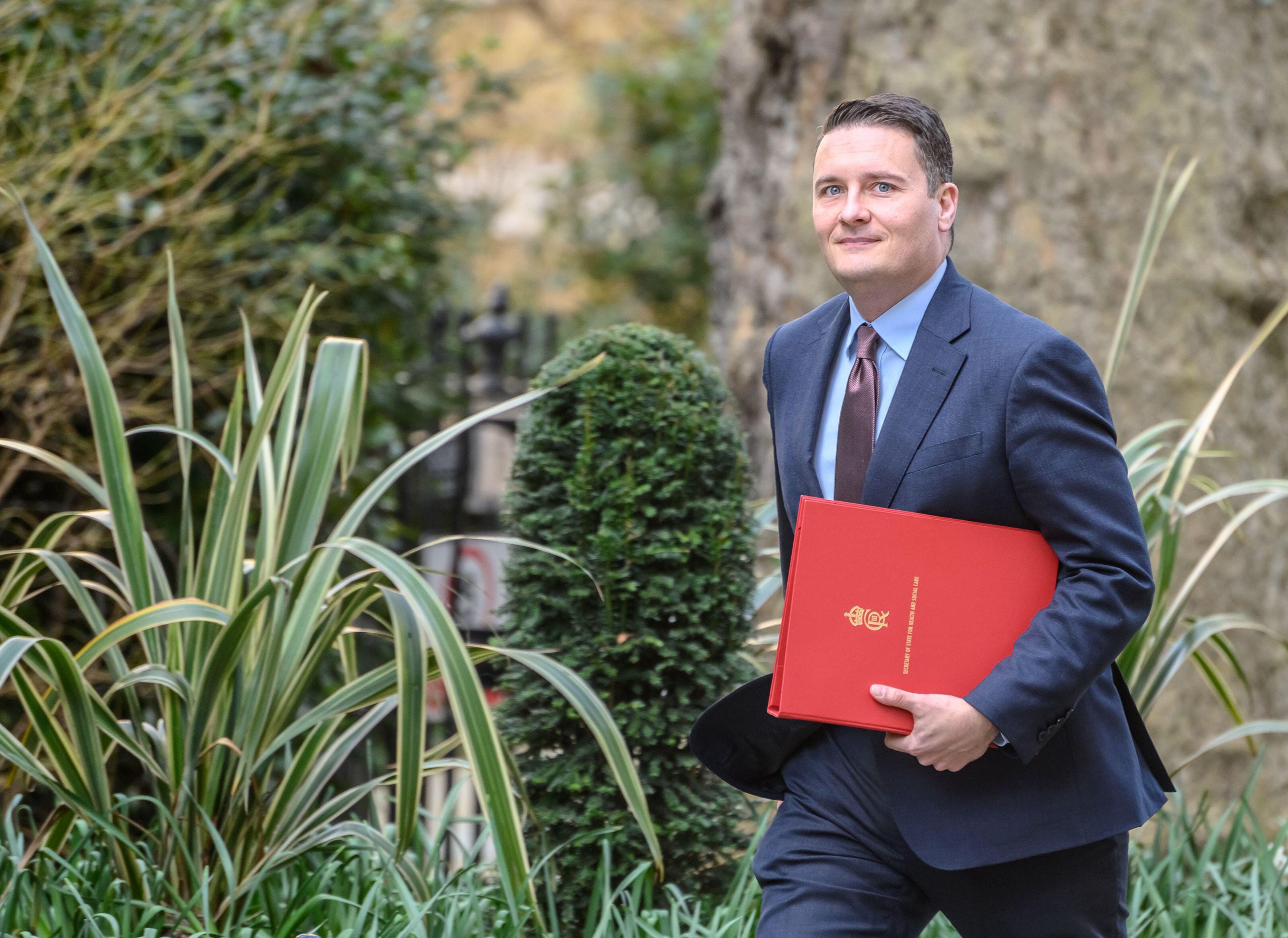
Wes Streeting is nothing if not a brave politician. He already had a reputation for speaking his mind, and quite a lot of sense, on a range of toxic issues, from assisted dying to banning puberty blockers. This week the Health Secretary broached the minefield of mental health, telling the BBC’s Laura Kuenssberg there is an ‘overdiagnosis’ of mental health conditions.
Speaking ahead of government welfare reforms, announced on Tuesday, Streeting was making the case for a more sustainable safety net for the most vulnerable. There were ‘too many people who just aren't getting the support they need’, he said, as the health service struggles to cope with what has been described as a mental health crisis.
More than half the rise in working-age disability claims since the Covid pandemic is related to mental health or behavioural conditions, according to the Institute of Fiscal Studies. Mental health charities attest to the difficulties in getting help, and mental health services are described as being at breaking point.
Under Labour’s proposed reforms, it will now become harder for people to claim the personal independence payment (PIP), intended to help those who have a long-term physical or mental health condition with their extra living costs. Plans to freeze the payment were stalled in the end, but Streeting has opened a can of worms by attempting to destigmatise not mental health itself, but the notion that large sections of the population may be milking the system.
Mental wellbeing or illness is a spectrum, as Streeting pointed out, and where one appears on that spectrum determines whether they are eligible or not for benefits. With such a strain on resources, the competition to be diagnosed has become fierce and there will surely be many deserving cases currently unable to access either medical help or money because the queue has grown too long, especially since the pandemic.
Covid is a convenient excuse for any societal ills that are too hard to solve – the surge in absences, for example, among children allowed to slip through the net when schools closed.

