REACTION

REACTION

Geopolitics

Has Erdoğan finally ended the Kurdish insurgency?

Why, with a free hand against the PKK and SDF, is Erdoğan making peace? Because he needs the help of the Kurds to extend his grip on power.

Gerald Warner's avatar
Gerald Warner
May 14, 2025
∙ Paid
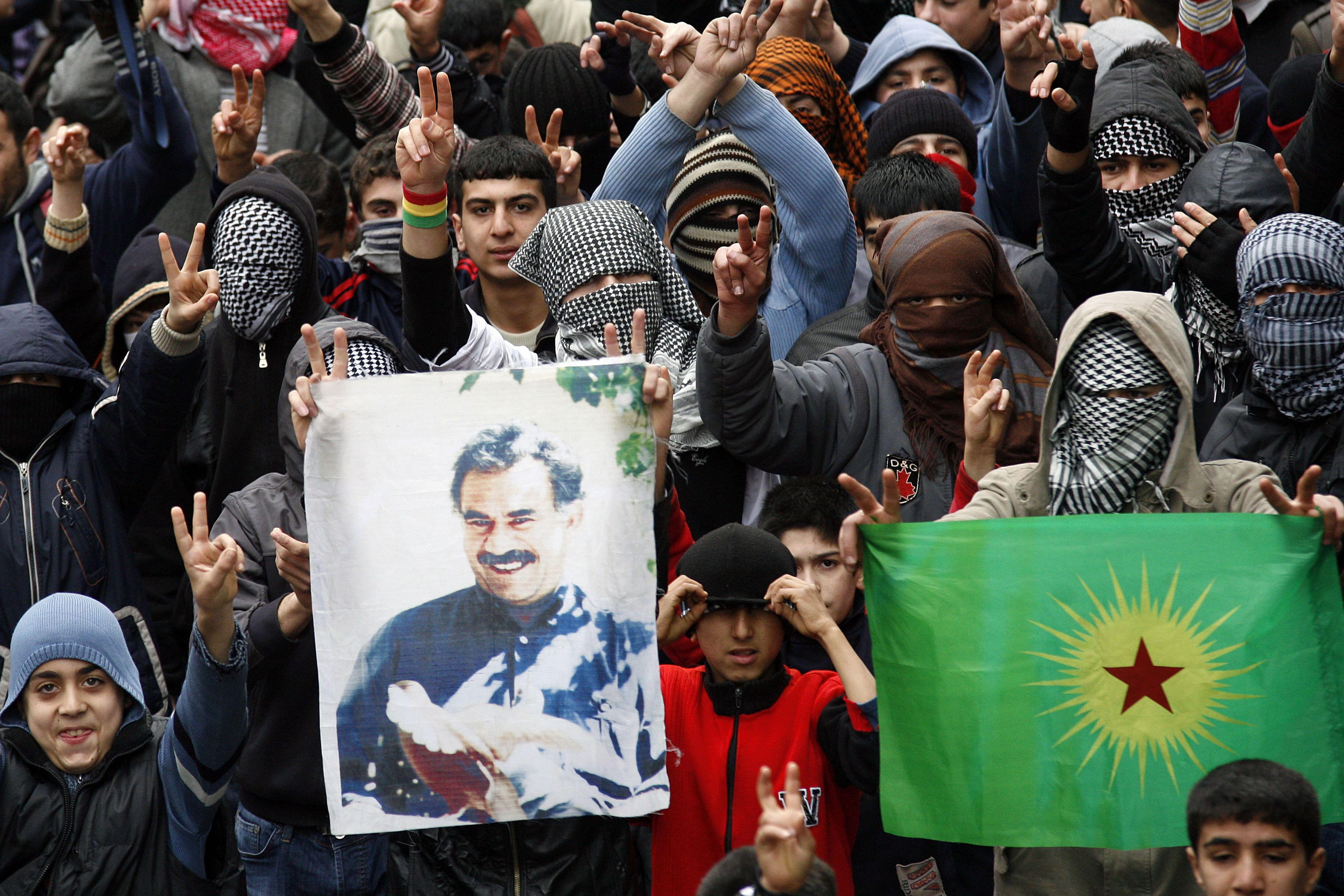
PKK members in Diyarbakir, Turkey hold up image of jailed leader Abdullah Ocalan (via Alamy/ 3ARG1YB0)

The news that the PKK, the Kurdish separatist movement, had decided not only to abandon its armed struggle, but to disband, took commentators by surprise. What is the significance of this development and how does it fit into the jigsaw of Middle Eastern geopolitics?

The Kurdish population, amounting to around 30 million, perhaps more, straddles the borders of Turkey, Iraq, Syria, Iran and Armenia. In other words, all the most unstable and incendiary hot spots in the Middle East. The Kurds did not plan it that way: they are simply one of the indigenous peoples of the lowlands of Mesopotamia and the mountains of south-eastern Turkey, northern Iraq, north-eastern Syria, north-west Iran and the south-west of Armenia.

This post is for paid subscribers

Already a paid subscriber? Sign in
Gerald Warner's avatar
A guest post by
Gerald Warner
Former special adviser to the Scottish Secretary.
Subscribe to Gerald
© 2025 Reaction Digital Media Ltd · Publisher Privacy ∙ Publisher Terms
Substack · Privacy ∙ Terms ∙ Collection notice
Start your SubstackGet the app
Substack is the home for great culture