

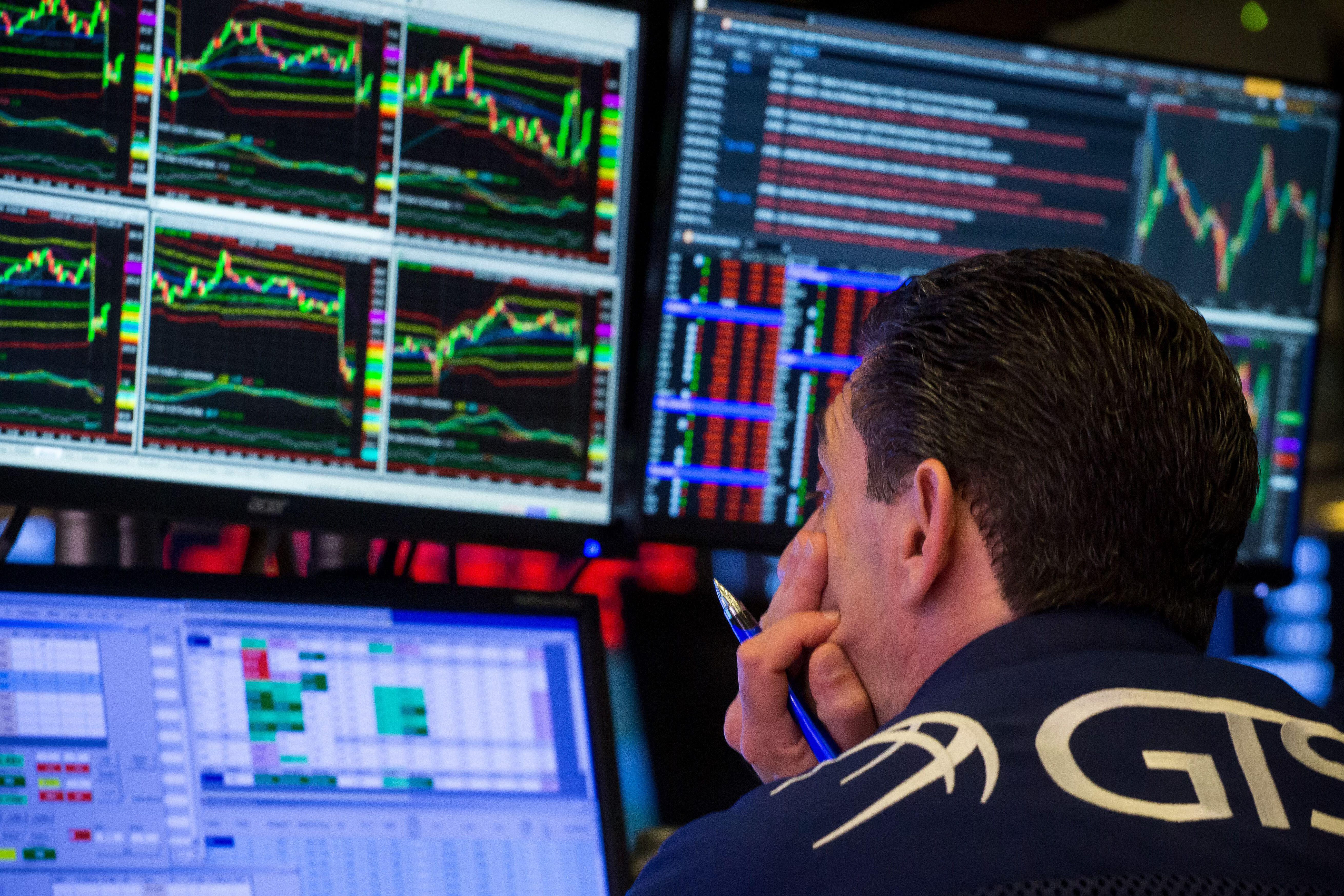
The first half of this year has been good for equities. Global equity markets have risen by 9.5% following gains of 15% in 2024 and almost 21% in 2023. This year’s upward progression has been far from smooth.
Equities hit the buffers in April with most major indices falling sharply on the announcement of US tariffs on 2 April. The US market fell 18% from its February peak, the sharpest decline since the pandemic. Technology, financial, oil and gas stocks saw the biggest declines on concerns that tariffs would hit US growth. Other equity markets also sold off sharply, though the US suffered one of the largest declines.
Since then, equities have bounced back on the US decision to leave time for negotiation and postpone the introduction of many tariffs until 1 August. Renewed enthusiasm for equities comes despite the fact that, on current announcements, the average US tariff on imports of goods is eight times higher than at the start of the year and at the highest level since the early 1900s.
In recent weeks, President Donald Trump has proposed a 50% tariff on imports of copper and a 200% tariff on pharmaceutical products. Markets appear to have shrugged off the news, with the S&P 500 index trading near record highs and up 25% from April’s low. Investors seem to be betting that tariffs may not reach the levels threatened by Washington or that they will not have a major impact.
In the US, the “magnificent seven” major technology stocks now account for 27% of the US equity market, up from just 5% in 2013. The performance of these behemoths, from Apple to Tesla, has an outsize impact on the performance of the US market. The magnificent seven sold off in early April but have since risen 39%. Since the start of the year, they have risen by 5%.
The fortunes of these tech firms have diverged. Nvidia, Microsoft and Meta have risen 20% to 30% on a tide of optimism about AI. Amazon and Alphabet are broadly flat since the start of year while shares in Apple and Tesla are down by nearly 20%. The latter have both said that tariffs will significantly raise their costs.
In May, Apple CEO Tim Cook said that then prevailing tariffs would cost the business $900m. Tesla’s share price has suffered from the impact of tariffs and CEO Elon Musk’s feud with President Trump.
Retail, and in particular consumer discretionary stocks, have been among the poorest performing US sectors. Exercise bike maker Peloton has fallen in value by a quarter, while premium fitness retailer Lululemon is down 39%. US firms face a weaker consumption outlook as confidence has softened since the start of the year. Lululemon manufactures most of its products in Vietnam, Cambodia, Sri Lanka and Indonesia, countries that are threatened with high US tariffs.
The US has been the star equity market of recent years, with gains far eclipsing those in most of the rest of the world. That pattern has gone into reverse this year as investors have started to question the notion of US exceptionalism. So far this year, the US market is up 7%. Euro area stocks have risen 26%, Chinese stocks 25% and the UK 11%.
Banks have performed strongly across Europe. Expectations for the sector were low at the start of the year but it has delivered strong earnings, share buybacks and high dividends. Euro area bank stock rose by over 50% in the first half of this year, with UK banks up 27%.
Defence stocks have performed strongly in the wake of rising international tensions and NATO’s commitment to spend 3.5% of GDP on defence. Shares in Germany’s largest defence contractor, Rheinmetall, have almost tripled in value this year.
Returns on government bonds have been poor this year. Yields on government bonds, especially long-dated bonds, have tracked upwards on investor concerns about inflation and levels of government borrowing. (Rising bond yields mean lower bond prices.) The tax cuts in Mr Trump’s “big, beautiful bill” will add significantly to US debt levels, which are forecast to rise from 100% of GDP to 211% by 2055. In March, Germany changed its constitution to allow for a significant increase in borrowing to finance higher spending on defence and infrastructure. As in the US, the long-term path of public borrowing in Germany has shifted up.
The year 2025 has not been a good one for the US dollar that has come under pressure as investors weigh the impact of US tariffs, sharply higher public borrowing and White House criticism of the Federal Reserve. Against a trade-weighted basket of foreign currencies the dollar has fallen 11% so far this year.
The oil price spiked during the conflict between Israel and Iran in June on fears Tehran might disrupt oil production and shipping in the region. That spike was short-lived, and oil is trading well below levels at the start of the year. Following the ceasefire between Israel and Iran the market switched back to the fundamentals of softer global demand and rising supply as OPEC+ raises oil production.
Uncertainty has been good for gold, which has seen its price rise 28% this. Investors turn to gold when there are concerns about the economic outlook, or market volatility, particularly when other “safe-haven assets”, such as government bonds, are out of favour. Bitcoin, another supposed hedge against risk, has continued the ascent that started in 2023 and has risen 25% this year.
Investors seem to be counting on a benign outcome, in which US tariffs and growing geopolitical tensions have little impact on equity valuations. That sits uncomfortably with the IMF’s recent observation that, amid recent volatility in equity, bond and currency markets, the risk of financial instability has “increased significantly”. For now, equity markets are shrugging off such risks.
A personal view from Ian Stewart, Deloitte's Chief Economist in the UK. Subscribe and/or view previous editions of Deloitte Monday Briefing here.