


This is my newsletter for paying subscribers. Thank you for your patience and support.
The wheels on the bus go round and round, round and round, round and round. What do the wheels on the bus do? They go round and round, round and round, all day long. We know this not only from the classic children’s folk song, written by Verna Hills, with the lyrics first published in 1937 and featured in recent decades on television channels for children in a version that drives sleep-deprived parents round the twist. We also know about the wheels on the bus from sustained observation of the empirical reality that buses have wheels, wheels are round, and as the bus moves, usually in a forward direction, the wheels do indeed go round and round, all day long. Though not at night, when in most British cities you will wait a very long time for a bus, such are the drawbacks of a highly unionised and tightly regulated service.
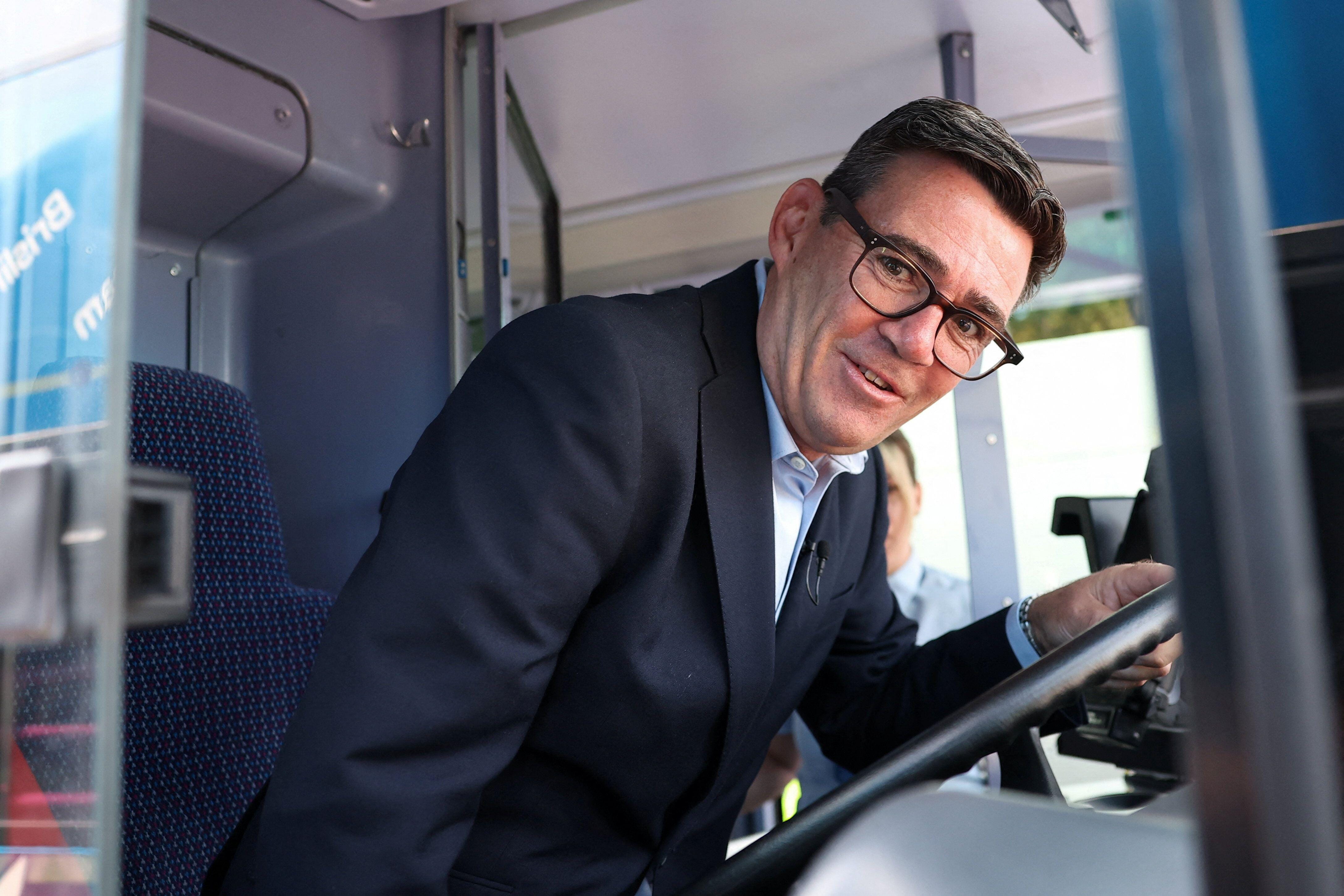
For some reason the wheels on the bus song kept coming to mind every time (which was a lot) during the last six weeks when Britain’s new Prime Minister conducted one of those public events where he talks again about buses.
Andy Burnham is so attached to the idea that Britain’s bus services must be in public ownership, or at least under municipal public control, that he has limited patience with anyone who disagrees, raises questions about his bus-related achievements, or makes jokes about buses in general. Last year, when I said something sceptical on social media about nationalising Britain’s bus services, the then Mayor of Manchester responded by saying politely that I had obviously not seen what he and his colleagues had done to improve buses in the city and wider region and perhaps I should take a look. The implication being that I might learn something.